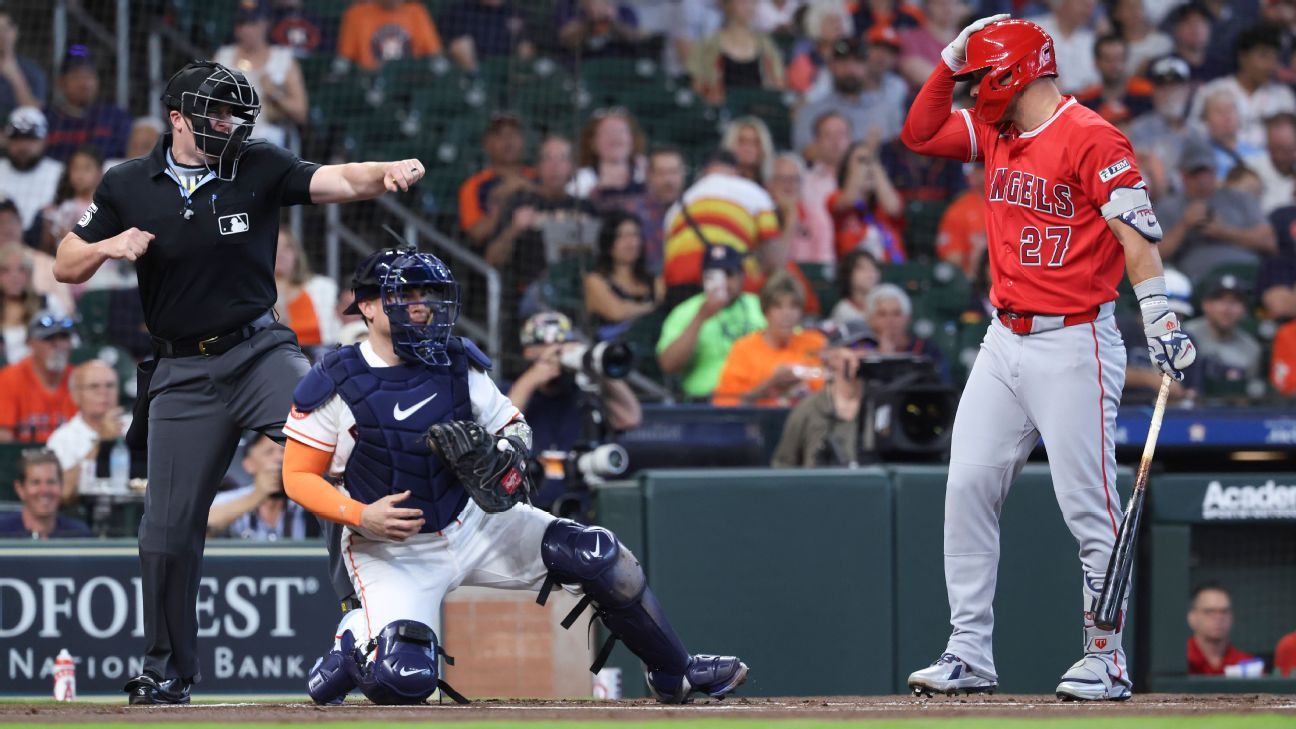
The 2026 Major League Baseball season has introduced a revolutionary automated balls-and-strikes (ABS) system, transforming how games are officiated. This new technology aims to improve accuracy and fairness, but it has also sparked a mix of praise and criticism among players, coaches, and fans.
During the opening weekend, several challenges to the ABS system showcased its strengths and weaknesses. Some calls confirmed the system's reliability, while others exposed areas needing refinement. The league and technology providers are closely monitoring these early performances to make necessary adjustments.
One of the most praised aspects of the ABS system is its consistency. In many cases, the automated system correctly called strikes and balls that human umpires might have missed or misjudged. This consistency is expected to reduce controversial calls and increase fairness across the league.
However, the system is not without flaws. Some challenges resulted in incorrect calls, leading to frustration among players and fans. For example, there were instances where the system misjudged borderline pitches, causing disputes and delays in gameplay. These errors highlight the need for ongoing calibration and possibly integrating human oversight in certain situations.
Among the best challenges, a few standout moments demonstrated the system's potential to revolutionize baseball officiating. In these cases, the ABS system accurately identified pitches that would have otherwise been contentious, helping umpires make more confident decisions and speeding up the game.
Conversely, the worst challenges involved significant miscalls that affected game outcomes. These errors drew criticism from teams and analysts, emphasizing the importance of continuous improvement and testing before full implementation.
Major League Baseball officials have expressed their commitment to refining the ABS system based on these early experiences. They are working with technology providers to enhance accuracy, reduce errors, and ensure the system complements human judgment rather than replacing it entirely.
As the season progresses, fans and teams will continue to evaluate the impact of automation on the game. While the technology promises to bring greater consistency and fairness, its success depends on ongoing adjustments and acceptance by all stakeholders involved.
Overall, the first weekend of MLB's 2026 season has provided valuable insights into the capabilities and limitations of automated balls-and-strikes challenges. The league's efforts to balance innovation with tradition will shape the future of baseball officiating for years to come.